
Healthy Lunchboxes for Kids: A Guide to Balanced, Stress-Free School Meals
- Megan Whitehouse
- Jul 2
- 4 min read
Packing healthy lunchboxes for kids can feel like a daily puzzle for parents and carers. Between busy mornings, picky eaters, and the pressure to “get it right,” it’s easy to fall into a routine of repetitive or overly processed options. The good news is that creating balanced, nutritious lunchboxes doesn’t need to be complicated or time-consuming.
In this guide, we’ll explore how to build healthy lunchboxes for kids that are practical, enjoyable, and nutritionally balanced, while still being realistic for everyday life. As a dietitian would advise, the goal isn’t perfection, but consistency and variety over time.

Why Healthy Lunchboxes for Kids Matter
Lunch plays a key role in a child’s day. It helps maintain energy levels, supports concentration in school, and contributes significantly to overall nutrient intake.
Supporting growth and development
Children need a steady supply of nutrients to support:
Brain development and concentration
Bone growth and muscle development
Immune function
Stable energy throughout the school day
A well-balanced lunchbox helps fill nutritional gaps that might not be covered at breakfast or dinner.
Avoiding energy crashes
Lunches that are high in refined sugars or low in protein and fibre can lead to:
Mid-afternoon energy slumps
Difficulty concentrating in class
Increased snacking later in the day
A balanced lunchbox helps stabilise blood sugar levels and keeps kids energised for longer.
The Foundation of a Balanced Lunchbox
A helpful way to build lunchboxes for kids is to think in terms of simple food groups rather than strict rules.
The “4-part lunchbox formula”
Aim to include:
Protein source
Wholegrain or starchy carbohydrate
Fruit and/or vegetables
Healthy fat or dairy option
This structure ensures a mix of macronutrients: carbohydrates, protein, and fats, plus essential vitamins and minerals.
Protein: Building Blocks for Growth
Protein helps with growth, tissue repair, and satiety (keeping kids fuller for longer).
Easy protein options for lunchboxes
Sliced chicken or turkey
Boiled eggs or mini omelette slices
Hummus or lentil dips
Cheese cubes or cheese strings
Beans or chickpeas in salads
Nut or seed butters (if school allows)
For vegetarian families, combining plant-based proteins like beans and whole grains can help ensure adequate intake.
Wholegrains and Carbohydrates for Energy
Carbohydrates are the body’s main energy source and are essential for active, growing children.
Smart carb choices
Wholemeal bread sandwiches
Wraps made with whole-grain tortillas
Brown rice or quinoa salads
Wholegrain pasta
Pitta bread or oatcakes
Choosing higher-fibre options helps with digestion and keeps energy levels steady throughout the school day.
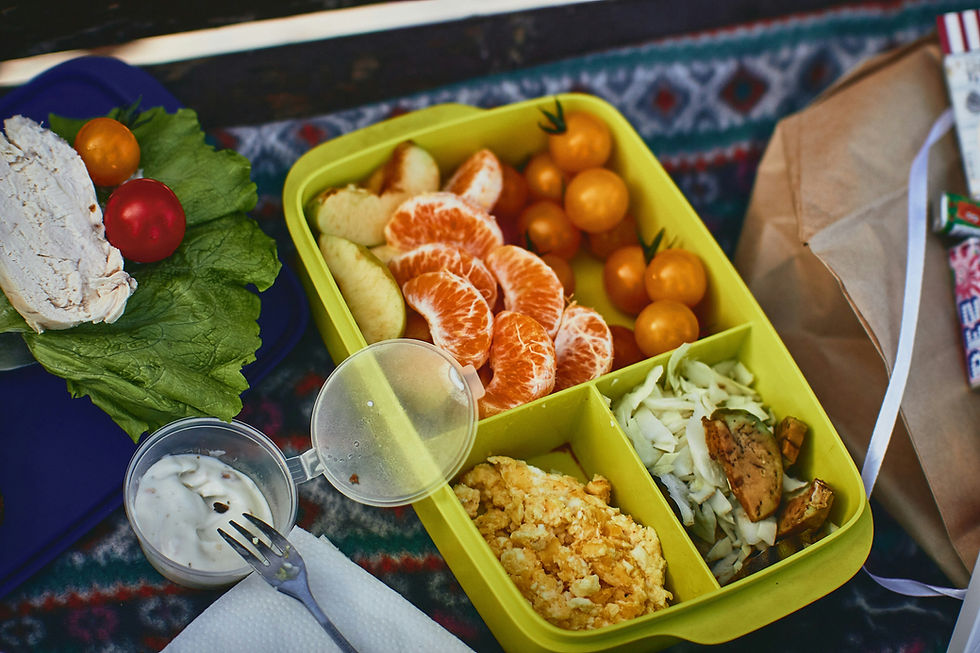
Fruits and Vegetables: The Colour Factor
One of the simplest ways to improve healthy lunchboxes for kids is to focus on colour and variety.
Easy fruit ideas
Apple slices or grapes
Banana or berries
Orange segments
Kiwi or melon chunks
Veggie ideas for kids
Cucumber sticks
Carrot batons
Cherry tomatoes
Pepper slices
Sweetcorn pots
Making fruit and veg more appealing
Cut into fun shapes
Pair with dips like hummus or yoghurt
Mix colours for visual appeal
Offer familiar options alongside new ones
Repeated exposure is key, children often need to see a food multiple times before accepting it.
Healthy Fats and Dairy for Fullness and Brain Health
Healthy fats are essential for brain development, while dairy provides calcium and protein.
Good lunchbox additions
Cheese or yoghurt pots
Avocado slices or guacamole
Nuts and seeds (if allowed)
Olives in moderation
Full-fat yoghurt for younger children
Including a small portion of fat helps keep meals satisfying and prevents hunger shortly after eating.
Hydration: The Often-Overlooked Essential
A well-packed lunchbox isn’t complete without a drink.

Best drink choices
Water (always the best option)
Milk for extra calcium and protein
Diluted fruit juice (occasional use)
Avoid sugary drinks, which can contribute to energy crashes and dental issues.
Practical Tips for Busy Parents
Creating healthy lunchboxes for kids doesn’t need to take more than a few minutes with the right approach.
1. Plan ahead
Spend 10–15 minutes a few times a week prepping:
Washed fruit and veg
Cooked proteins (like chicken or eggs)
Portioning snacks
2. Batch cook where possible
Cook extra portions of dinner and reuse:
Pasta salads
Rice bowls
Roasted vegetables
3. Keep a lunchbox formula in mind
Instead of overthinking, just ask:
“Have I included protein, carbs, fruit/veg, and a healthy fat?”
4. Use repeatable combinations
Kids often prefer familiarity. Rotate 4–6 “safe” lunchbox combinations and change small elements each week.
Dealing with Picky Eaters
Picky eating is very common, especially in younger children.
What works (from a dietetic perspective)
Repeated exposure without pressure
Offering choice within structure (“cucumber or carrot?”)
Including one “safe food” in every lunchbox
Avoiding labels like “good” or “bad” foods
What to avoid
Forcing children to eat everything
Turning mealtimes into battles
Over-restricting foods (which can increase resistance)
The goal is long-term acceptance, not short-term control.
Allergy and School Policy Considerations
Many schools have strict allergy policies, especially around nuts.
Always check:
School allergen rules
Food sharing policies
Storage and refrigeration options
Nut-free alternatives like seeds, hummus, or dairy-based proteins can still provide excellent nutrition.
Making Lunchboxes More Sustainable
Healthy eating can also support environmental awareness.
Simple swaps:
Reusable containers instead of cling film
Seasonal fruit and vegetables
Plant-based proteins more regularly
Minimising ultra-processed snack packaging
These small changes can make lunchboxes both healthier and more eco-friendly.
Example Healthy Lunchbox Ideas
Here are a few simple combinations to inspire you:
Lunchbox 1
Wholemeal chicken sandwich
Carrot sticks and cucumber
Apple slices
Yoghurt pot
Lunchbox 2
Wholegrain wrap with hummus and cheese
Cherry tomatoes
Grapes
Oat biscuit
Lunchbox 3 (vegetarian)
Lentil pasta salad
Pepper sticks
Banana
Cheese cubes
FAQ: Healthy Lunchboxes for Kids
1. What lunchbox should I aim for a child?
Aim to include a balance of protein, wholegrains, fruits or vegetables, and a source of healthy fat or dairy. This combination supports energy, concentration, and growth throughout the school day.
2. How do I make a healthy lunchbox for a picky eater?
Start with familiar foods and gradually introduce small changes. Include at least one “safe” food your child enjoys, and offer new foods alongside it without pressure. Repeated exposure is key to acceptance.
3. Are sandwiches healthy for kids’ lunchboxes?
Yes, sandwiches can be very healthy when made with wholegrain bread and balanced fillings such as lean protein, cheese, or hummus, along with salad or vegetables. The key is variety and nutrient balance rather than avoiding sandwiches altogether.
If you would like help with your child's nutrition, book an initial appointment with our team today.


Hi everyone. I was searching for a site that offers a good welcome package for new players. I found this site and saw that the bonus was spread over the first few deposits. I decided to take advantage of the offer to extend my playtime. Cop Slots Casino applied the bonus funds to my account immediately after my deposit. I played a slot game with a "manor house" theme to fit the site. I had a losing streak that burned through the bonus money quickly. I switched to a lower volatility slot and grinded my way back up. It wasn't a big win, but I met the wagering requirements and cashed out.
I’ve been using for a little while and so far the experience has been smooth. The website loads quickly on my phone, the navigation lucky twice casino is simple, and I like that the information is presented clearly. For someone in the UK, having everything easy to find makes a big difference
A very useful article for anyone who wants to understand the topic better. I liked how the writer focused on the important details instead of adding irrelevant information. The overall tone is also comfortable and natural. Some of the points gave me a different perspective on the subject, which is always something I appreciate when reading informative content. dpboss matka
Came across this while reading a discussion about how people in Australia actually choose an online gaming club. I tend to pay more attention to the less exciting details, like payment methods, account verification, withdrawal conditions and whether the terms are easy to find. mr beast casino was mentioned as one option worth comparing, although I’d still check the current rules and operator details myself. For me, a straightforward site with clear information is much more useful than one covered in endless promotional claims.
While researching online entertainment websites in Canada, I noticed that many platforms try to create a better experience through improved design and easier navigation. One of the websites I looked into was gold eagle casino. I usually pay attention to the way information is organized and whether the platform feels comfortable to explore. These small details can influence how users interact with a website and how convenient the overall experience becomes.